What are the different types of pharmaceutical packaging?
Pharmaceutical packaging includes primary packaging (bottles, blisters, tubes, pouches that directly contact the product) and secondary packaging (cartons, boxes, labels for protection and information). Primary packaging uses materials like PET, HDPE, glass, or aluminum with child-resistant and tamper-evident features. Secondary packaging includes folding cartons, corrugated boxes, and rigid containers designed for efficient distribution while maintaining product integrity and regulatory compliance throughout the supply chain.
How does contract packaging work?
Contract packaging involves partnering with a specialized provider who handles your pharmaceutical packaging needs from start to finish. The process begins with project consultation to understand your requirements, followed by packaging design, material selection, and regulatory compliance review. Our team manages production, quality control, filling operations, and final packaging, delivering finished goods ready for distribution. This turnkey approach allows pharmaceutical companies to focus on core operations while ensuring professional, compliant packaging execution.
What is primary packaging in pharma?
Primary packaging is the first layer of pharmaceutical packaging that directly contacts and protects the product. This includes bottles, jars, blisters, tubes, pouches, and sachets designed to maintain product stability, provide barrier protection against moisture and light, and ensure safety through child-resistant and tamper-evident features. Primary packaging materials—such as PET, HDPE, glass, or aluminum—are carefully selected based on the pharmaceutical product's specific requirements, regulatory standards, and shelf-life considerations.
What quality standards do you follow for pharmaceutical packaging?
We maintain pharmaceutical-grade quality control systems that ensure compliance with FDA regulations and industry standards. Our quality assurance processes include material verification, in-process inspections, and final product testing to guarantee product safety, stability, and regulatory compliance. Every packaging run undergoes rigorous quality checks, with detailed documentation and traceability throughout the production process. Our state-of-the-art facilities and experienced quality control team ensure that every pharmaceutical package meets the highest industry benchmarks for safety and efficacy.
Can you handle both small-batch and large-scale pharmaceutical packaging?
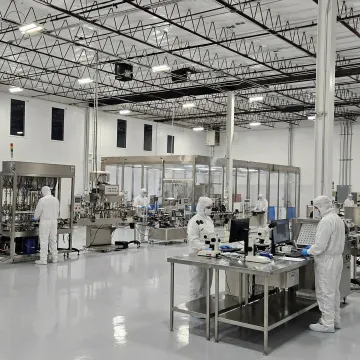
Yes, our flexible pharmaceutical packaging capabilities accommodate projects of all sizes—from startup product launches requiring small batches to large-scale production runs for established brands. Our state-of-the-art co-manufacturing facilities feature scalable equipment and experienced project managers who adapt workflows to meet your specific volume requirements. Whether you need pilot batch packaging to test market response or high-volume automated filling lines for nationwide distribution, we deliver the same exceptional quality and regulatory compliance at every scale.
What is your typical turnaround time for pharmaceutical packaging projects?
Project timelines vary based on complexity, volume, and regulatory requirements, but our experienced project managers work diligently to meet your deadlines while maintaining quality standards. Initial consultation and packaging design typically take 2-4 weeks, followed by regulatory review and material sourcing. Production timelines depend on batch size and packaging complexity. Our dedicated team provides clear communication throughout every stage, keeping you informed of progress and proactively addressing any potential delays to ensure timely delivery of your finished pharmaceutical products.
Do you provide warehousing and distribution services?
Yes, we offer comprehensive supply chain management including warehousing, fulfillment, and logistics services as part of our end-to-end pharmaceutical packaging solutions. Our integrated inventory management systems provide real-time visibility into stock levels, and our distribution network ensures efficient delivery to your designated locations. This comprehensive approach eliminates the need for multiple vendors, streamlining your operations while maintaining the same rigorous quality control and regulatory compliance standards throughout storage and distribution as we apply during production.
How do you ensure tamper-evidence and child-resistance for pharmaceutical packaging?
We incorporate industry-leading tamper-evident and child-resistant features into our pharmaceutical packaging designs, utilizing certified closures, seals, and materials that meet or exceed regulatory requirements. Our primary packaging options include child-resistant caps tested to CPSC standards, tamper-evident shrink bands, induction seals, and breakable closure designs. Our quality control team verifies that every safety feature functions correctly through rigorous testing protocols, ensuring your pharmaceutical products provide maximum protection while maintaining ease of use for adult consumers as required by law.