What does "secondary packaging" mean?
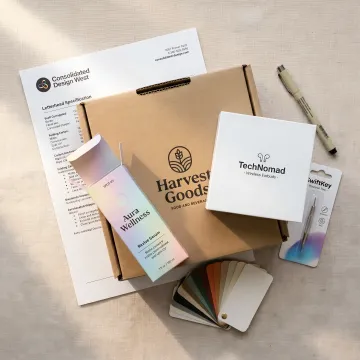
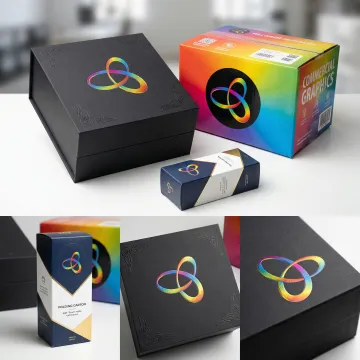
Secondary packaging refers to the outer layer of packaging that groups individual products together for shipping, storage, or retail display. It includes corrugated boxes, folding cartons, rigid boxes, trays, pouches, shrink wrap, and retail bags. Unlike primary packaging which directly contacts the product, secondary packaging protects multiple units during transportation, provides branding opportunities, and facilitates efficient handling in warehouses and retail environments. It's essential for logistics, product protection, and creating impactful shelf presence.
What are the FDA regulations for secondary packaging?
FDA regulations for secondary packaging focus on ensuring it doesn't compromise the integrity of primary packaging or contaminate products. For food, pharmaceuticals, and cosmetics, secondary packaging must be manufactured in sanitary conditions and use materials that are safe and suitable for their intended use. While secondary packaging doesn't directly contact products, it must include accurate labeling, lot tracking, and tamper-evident features where required. Our team ensures full regulatory compliance, incorporating proper material selection, documentation, and quality control protocols that meet FDA standards for your specific product category and distribution requirements.
What types of secondary packaging components do you manufacture?
We manufacture a comprehensive range of secondary packaging components including corrugated boxes for shipping and storage, folding cartons for retail products, rigid boxes for premium items, cardboard and plastic trays, various pouches (SUP, flat, bubble), shrink wrap and overwrap films, and retail handle bags in paper or plastic. Each component is customizable with your branding through our digital, offset, or flexography printing capabilities. We design solutions tailored for efficient filling, automation compatibility, and minimal environmental impact while ensuring optimal product protection and visual appeal throughout the supply chain.
Can you design packaging that works with automated filling and packaging lines?
Absolutely. Our secondary packaging components are thoughtfully engineered for seamless integration with automated filling and packaging systems. We design with precise tolerances, consistent material specifications, and structural features that ensure reliable performance on high-speed production lines. Our experienced team collaborates closely with your operations staff to understand your specific automation requirements, line speeds, and handling characteristics. We conduct thorough testing and provide technical specifications to ensure flawless compatibility, reducing downtime and maximizing production efficiency while maintaining the structural integrity and visual quality your brand demands.
What printing methods do you offer for secondary packaging?
We offer three advanced printing methods to suit different project requirements and budgets: digital printing for short runs and variable data applications with quick turnaround, offset printing for high-volume production requiring superior color consistency and photographic quality, and flexography for cost-effective long runs on corrugated and flexible materials. Our 34+ years of commercial printing expertise allows us to recommend the optimal method based on your substrate, quantity, budget, and quality expectations. All methods support full-color graphics, and we offer premium finishing treatments including UV coating, embossing, foil stamping, and lamination to maximize brand impact.
How do you ensure the quality of manufactured packaging components?
Quality control is foundational to our operations. We implement rigorous inspection protocols at every production stage, from incoming material verification through final product testing. Our quality management system includes precise dimensional checks, print registration and color matching verification, structural integrity testing, and compliance documentation for regulated industries. We maintain detailed lot tracking and provide certificates of analysis upon request. Our partnership with a state-of-the-art co-manufacturing facility equipped with advanced testing equipment ensures we meet or exceed industry standards. Every project is assigned an experienced project manager who maintains clear communication and ensures exceptional quality throughout the entire production process.
What is your typical lead time for custom secondary packaging orders?
Lead times vary based on project complexity, order quantity, printing method, and finishing requirements. Simple corrugated boxes with standard printing typically require 3-4 weeks from final artwork approval to delivery. More complex projects involving rigid boxes, multiple finishing treatments, or custom tooling may require 6-8 weeks. Digital printing offers the fastest turnaround for short runs, often within 7-10 business days. Our experienced project managers provide accurate timelines during the quotation process and maintain clear communication throughout production, keeping you informed of progress. We also offer expedited services for urgent requirements and maintain strategic warehousing capabilities to support just-in-time delivery schedules for ongoing programs.
Do you offer sustainable or eco-friendly secondary packaging options?
Yes, sustainability is a core consideration in our packaging design and manufacturing. We offer eco-friendly solutions including recycled and recyclable corrugated materials, FSC-certified paperboard, biodegradable and compostable film options, water-based inks and adhesives, and minimalist designs that reduce material usage without compromising protection. Our engineering team can optimize packaging dimensions to reduce shipping volume and carbon footprint. We stay current with emerging sustainable materials and technologies, helping brands meet their environmental commitments while maintaining product safety, visual appeal, and cost-effectiveness. Our team provides guidance on material selection, certifications, and messaging to authentically communicate your sustainability initiatives to consumers.