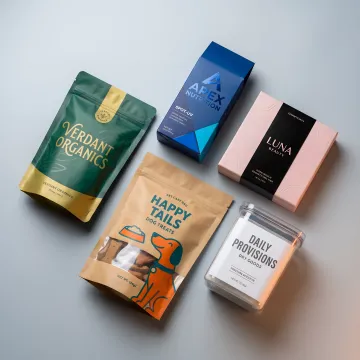
What is digital pouch printing?
Digital pouch printing is a modern printing method that uses advanced digital technology to print high-quality graphics directly onto flexible pouch materials without the need for traditional printing plates. This process is ideal for food packaging because it enables short production runs, quick turnarounds, variable data printing for personalized designs, and cost-effective customization. Digital pouch printing delivers vibrant, photographic-quality images while maintaining food-safe standards and barrier protection. It's perfect for product launches, seasonal promotions, limited editions, and brands that need packaging flexibility without minimum order quantity constraints.
Is digital printing food-safe and FDA compliant?
Yes, our digital printing processes for food packaging use food-safe inks and materials that comply with FDA regulations for direct and indirect food contact. We carefully select substrates with appropriate barrier properties to protect against moisture, oxygen, and light contamination. Our production facility maintains strict quality control protocols, and we conduct migration testing to ensure inks and coatings don't transfer to food products. We're well-versed in food packaging regulations including proper labeling requirements, allergen disclosures, and nutrition fact placement, ensuring your packaging meets all regulatory standards while maintaining the visual appeal your brand needs.
What types of food packaging can you digitally print?
We digitally print a comprehensive range of food packaging formats including flexible pouches (stand-up pouches, flat pouches, gusseted bags, zipper pouches), folding cartons for retail products, corrugated shipping boxes, labels for bottles and jars, sachets and stick packs for single-serve portions, cardboard trays, and retail displays. Our primary packaging options include plastic containers (PET, HDPE), bottles, jars, and tubes with direct decoration. We also provide secondary packaging such as overwrap, shrink wrap, and retail handle bags. Our digital technology accommodates various substrates including paper, cardboard, flexible films, and certain plastics suitable for food applications.
What's the minimum order quantity for digital food packaging?
One of digital printing's greatest advantages is the elimination of traditional minimum order quantities. Unlike offset or flexographic printing that require large runs to justify plate costs, digital printing is economically viable for runs as small as 500-1,000 units, making it ideal for product testing, limited editions, seasonal flavors, and regional promotions. We work with startups launching their first product as well as established brands needing packaging flexibility. The exact minimum depends on the package type, size, and finishing requirements. Our project managers will help you determine the most cost-effective approach for your specific needs while maintaining quality and food-safety standards.
How long does it take to produce digitally printed food packaging?
Digital printing significantly reduces production timelines compared to traditional methods. Typical turnaround time ranges from 2-4 weeks from final art approval to delivery, depending on package complexity, quantity, and finishing treatments. The process eliminates plate-making time, allowing us to move from approved artwork to production within days. Rush services are available for urgent product launches or promotional deadlines. Our project management team provides clear timelines during the quoting process and maintains communication throughout production. Factors affecting timeline include substrate availability, custom die-cutting requirements, finishing treatments like lamination or spot UV, and quality control testing for food-safe compliance.
Can you help with food packaging design and regulatory compliance?
Absolutely. Our comprehensive turnkey solutions include packaging design services that balance brand aesthetics with functional requirements and regulatory compliance. Our team understands FDA labeling regulations, nutrition facts formatting, allergen disclosure requirements, ingredient listing standards, and net weight declarations. We ensure proper placement of mandatory information while maximizing visual impact. Our designers can create new packaging concepts or adapt existing artwork to different package formats. We provide design proofs for your approval and can produce physical mockups to evaluate shelf presence before production. Our goal is packaging that not only looks exceptional but also meets all legal requirements for safe food marketing.
What finishing options are available for food packaging?
We offer extensive finishing treatments to enhance your food packaging's shelf appeal and functionality. Options include matte or gloss lamination for protection and visual impact, soft-touch coatings for premium feel, spot UV for highlighting specific design elements, embossing or debossing for dimensional branding, foil stamping in various metallic colors, and custom die-cutting for unique shapes. For flexible packaging, we provide zipper closures, tear notches, hang holes, and resealable features. All finishing treatments maintain food-safe standards and barrier protection. Our specialists will recommend finishes that align with your brand positioning, product protection needs, and budget while creating packaging that's as functional as it is visually compelling.
Do you provide warehousing and fulfillment for food packaging?
Yes, our end-to-end solutions include warehousing, fulfillment, and logistics services with integrated inventory management support. We can store your finished packaging and coordinate just-in-time delivery to your co-packer or production facility, reducing your inventory carrying costs and warehouse space requirements. Our fulfillment services handle order processing, pick and pack operations, and shipping coordination. This is particularly valuable for brands with multiple SKUs, seasonal products, or limited storage capacity. By managing your packaging supply chain, we help ensure you always have the right packaging available when needed while minimizing waste and obsolescence of printed materials with changing regulations or formulations.