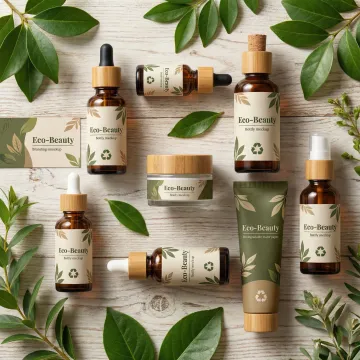
What is the most sustainable cosmetic packaging?
The most sustainable cosmetic packaging depends on your product's specific needs, but top options include recycled PET and HDPE plastics, biodegradable bioplastics, post-consumer recycled (PCR) content materials, recyclable glass and aluminum, and ocean-bound plastic alternatives. FSC-certified paperboard and corrugated materials are leading choices for secondary packaging. The optimal selection balances barrier protection requirements, regulatory compliance, shelf-life needs, and brand aesthetics while minimizing environmental impact. A packaging expert can help identify the best eco-friendly material combination for your specific formulation and sustainability goals.
What eco-friendly materials do you offer for cosmetic packaging?
A comprehensive range of sustainable materials is available, including recycled PET and HDPE plastics, biodegradable bioplastics, post-consumer recycled (PCR) content options, FSC-certified paperboard and corrugated materials, recyclable glass and aluminum, and ocean-bound plastic alternatives. Each material is selected to meet specific barrier protection requirements, regulatory compliance standards, and aesthetic goals while minimizing environmental impact. The team helps you select the optimal eco-friendly material based on your product formulation, shelf-life requirements, and brand positioning.
Can you handle both primary and secondary packaging for cosmetic products?
Yes. Complete sustainable packaging systems are available, including primary containers (bottles, jars, tubes, pumps, droppers, applicators) and secondary packaging (folding cartons, corrugated boxes, retail bags, point-of-purchase displays). This integrated approach ensures cohesive branding across all packaging layers while optimizing for automation-friendly filling, minimal material waste, and maximum recyclability. Decoration, printing, and finishing treatments are coordinated across both primary and secondary components for a unified, eco-friendly presentation.
What minimum order quantities do you require for custom eco-friendly packaging?
Minimum order quantities vary based on packaging type, material selection, customization complexity, and printing method. Digital printing enables shorter runs starting around 500–1,000 units, ideal for startups or limited edition launches. Offset and flexography printing typically require higher minimums of 5,000–10,000+ units for cost efficiency. During an initial consultation, your volume needs, budget parameters, and launch timeline will be assessed to recommend the most economical production approach, with scalable solutions available for both emerging brands and established cosmetic companies.
What is your typical turnaround time for custom cosmetic packaging projects?
Project timelines depend on complexity, customization level, order volume, and material availability. Standard custom packaging typically requires 8–12 weeks from design approval to delivery, including tooling, sampling, production, and quality control. Rush services may be available for simpler projects or when leveraging digital printing methods. Dedicated project managers provide detailed production schedules during the quoting phase and maintain clear communication at every milestone to ensure on-time delivery for your product launch.
Do you offer design services for sustainable cosmetic packaging?
Yes. The team collaborates with brands to develop packaging designs that balance sustainability, functionality, brand identity, and shelf appeal. Services include structural design optimization to minimize material usage, graphic design coordination for eco-messaging and regulatory compliance, material selection guidance, and prototyping services to validate form and function. Whether you have complete design files or need comprehensive creative development, the goal is to ensure your sustainable packaging tells a compelling brand story while meeting technical performance requirements.
How do you ensure eco-friendly packaging meets cosmetic industry regulations and safety standards?
The quality control process includes rigorous testing and verification throughout production to ensure compliance with FDA cosmetic packaging regulations, child-resistant packaging requirements where applicable, tamper-evident sealing standards, and material safety certifications. This includes barrier protection testing, compatibility assessments with product formulations, migration studies for direct-contact materials, and shelf-life validation. Regulatory compliance expertise covers labeling requirements, claims substantiation, and documentation necessary for market approval, with dedicated quality oversight on every project.
Can you support fulfillment and distribution after manufacturing is complete?
Yes. Services extend beyond manufacturing to include integrated warehousing, inventory management, order fulfillment, logistics coordination, and distribution support across the United States. This end-to-end approach streamlines your supply chain, reduces handling touchpoints that could compromise product integrity, and ensures timely delivery to retailers or direct-to-consumer channels. Partnering for fulfillment provides a single point of accountability from production through final delivery, simplifying operations while maintaining exceptional quality control throughout the entire process.